

The fascinating journey of gambling through the ages a historical overview
The fascinating journey of gambling through the ages a historical overview
Origins of Gambling: Ancient Civilizations
The roots of gambling can be traced back to ancient civilizations, where various forms of games of chance emerged. Archaeological findings reveal that as early as 3000 BC, the Chinese engaged in gambling activities, using rudimentary tools like dice made from bone. This early form of entertainment was not just a pastime; it played a significant role in social and cultural practices, often intertwined with rituals and celebrations. Gambling in ancient times was reflective of human nature’s inclination toward risk and reward, as seen on platforms like https://mrslotyuk.com.
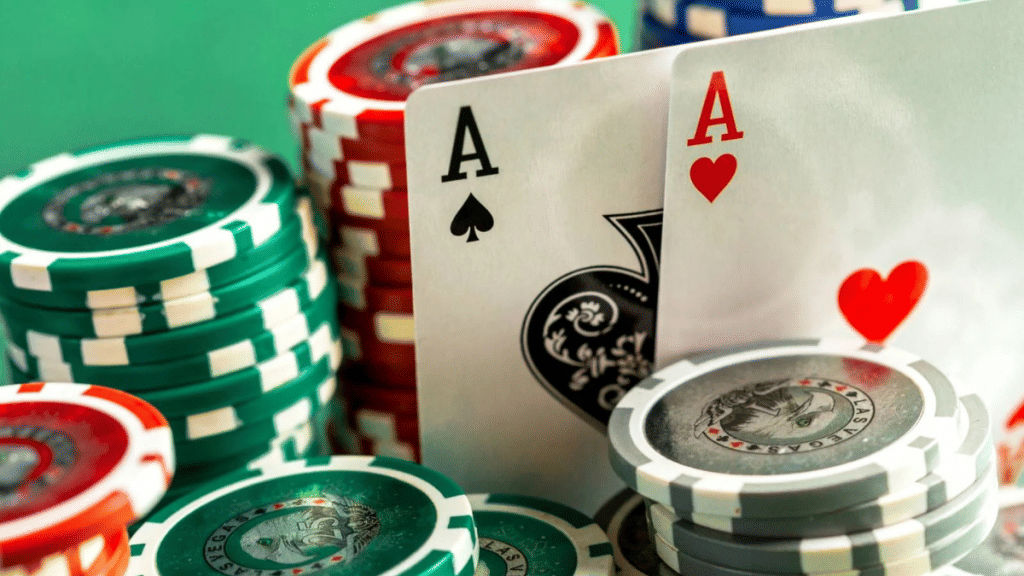
In addition to China, ancient Rome and Greece had their own gambling traditions. Romans enjoyed betting on chariot races, while Greeks played games involving dice during social gatherings. These activities were often formalized, giving rise to the concept of betting. Games like knucklebones, a precursor to modern dice games, offered a glimpse into how early societies used chance as a means to engage and entertain themselves, setting the foundation for future gambling practices.
The role of gambling in these ancient cultures extended beyond mere entertainment; it was a means of social interaction and was often linked to economic activities. For instance, gambling allowed for the redistribution of wealth and encouraged community bonds. The practice of gambling was woven into the fabric of life, reflecting societal values, aspirations, and the human desire for thrill and fortune.
Medieval Gambling: Regulation and Evolution
The medieval period witnessed a transformation in gambling practices, characterized by increased regulation and the emergence of more structured forms of betting. As societies began to organize, rulers sought to control gambling, recognizing both its popularity and potential for abuse. Laws were enacted to regulate games, leading to the establishment of official gaming houses in some regions. This marked a shift from informal gambling to organized, regulated activities, highlighting the growing societal interest in managing vice.
During this time, card games began to gain traction in Europe, particularly after the introduction of playing cards from the Islamic world. Card games like Poker and Blackjack, which would eventually become iconic, began to evolve in this era. The development of standardized decks and rules contributed to the popularity of these games, creating a more defined gambling culture. Gamblers began to form communities around these games, leading to an increase in social interactions and competitions.
The medieval period also saw gambling become a feature of aristocratic life, with nobles often engaging in bets that could involve vast sums of money. This association with wealth and status helped to further legitimize gambling, leading to its incorporation into various societal functions. Despite ongoing attempts to regulate gambling, its popularity surged, foreshadowing its central role in later societal developments.
The Birth of Modern Gambling: The 18th and 19th Centuries
The 18th and 19th centuries marked a pivotal era in the evolution of gambling, with the establishment of formal casinos and an expansion of gaming options. The first official casino, Casino di Venezia, opened in Italy in 1638, but it was during the subsequent centuries that gambling became more widespread and accessible. The allure of casinos attracted a diverse clientele, transforming gambling into an organized industry that catered to various social classes.
This period also saw the inception of lotteries as a method for raising public funds, with governments recognizing the potential of legalized gambling as a means to support public projects. Lotteries quickly gained popularity, drawing millions of participants and contributing significantly to the economy. The establishment of rules and regulations surrounding these games marked a shift toward the institutionalization of gambling, ensuring that it was both a source of revenue and entertainment.
Furthermore, the invention of technology during this time revolutionized gambling. Innovations such as the roulette wheel and modern playing cards enhanced the gaming experience, making it more thrilling and appealing. The growing popularity of horse racing added another layer to the gambling landscape, culminating in the formation of betting shops that allowed people to gamble on races without attending them in person. This period set the stage for the global gambling industry we recognize today.
Gambling in the 20th Century: Diversification and Legislation
The 20th century saw significant changes in gambling practices, driven by technological advancements and evolving social attitudes. The introduction of slot machines in the early 1900s added a new dimension to gambling, allowing for quicker, simpler forms of betting. These machines quickly became a staple in bars and casinos, providing entertainment that did not require complex understanding or strategies, thus broadening the appeal of gambling.
During this century, many countries began to reconsider their gambling laws. The U.S. saw a significant shift with the legalization of gambling in various states, particularly during the Great Depression, when desperate economic conditions led to increased acceptance of such activities as a means of revenue generation. Las Vegas emerged as a gambling hub, epitomizing the glamor and allure associated with casinos, thus propelling gambling into the mainstream.
The latter half of the century also witnessed the rise of online gambling. With the advent of the internet in the 1990s, online casinos began to emerge, offering players the opportunity to gamble from the comfort of their homes. This marked a significant shift in the gambling landscape, democratizing access and allowing for a global audience. The combination of traditional casino experiences with online platforms laid the groundwork for the diverse gaming options available today.
The Digital Age: Online Gambling and its Implications
The emergence of online gambling in the late 20th and early 21st centuries revolutionized the gambling industry, creating a vast array of opportunities for players worldwide. With platforms offering everything from online slots to live dealer experiences, the convenience of gambling from home has transformed traditional practices. Online casinos provide unparalleled access to games and features that cater to diverse player preferences, making gambling more inclusive than ever.
The rise of mobile technology has further propelled the online gambling trend, allowing players to access their favorite games on-the-go. As smartphones became ubiquitous, developers optimized their offerings for mobile users, creating seamless gaming experiences that maintain the excitement of traditional casinos. The integration of advanced technology, including virtual reality, is pushing the boundaries of online gambling, offering immersive environments that mimic the thrill of physical casinos.
However, this digital transformation comes with challenges. Issues of regulation, user safety, and responsible gambling practices are paramount as the industry adapts to the online landscape. The importance of player protection and fair play has led to stricter regulations in many jurisdictions. As online gambling continues to grow, platforms like Mr Sloty Casino prioritize responsible gambling and implement measures to ensure a safe and enjoyable experience for players.
Mr Sloty Casino: A Leader in the Online Gambling Experience
Mr Sloty Casino stands out in the realm of online gambling by offering an extensive selection of games tailored to meet the needs of players in the UK. With over 2,000 games from leading developers, the platform is designed to provide a rich and engaging gaming experience. Players can explore a diverse range of themes and mechanics, ensuring that there is something for everyone, whether they prefer slots, table games, or live dealer experiences.
Licensed and regulated by the UK Gambling Commission, Mr Sloty Casino prioritizes user safety and fair play. The platform implements strict security measures to create a trustworthy environment for players, fostering a culture of responsible gambling. Various tools are available to help users maintain healthy gaming habits, ensuring that the thrill of gambling does not come at the expense of well-being.
As the online gambling landscape continues to evolve, Mr Sloty Casino is committed to staying at the forefront of innovation. With exclusive bonuses and promotions, the platform aims to enhance the gaming experience while fostering a community of responsible gamblers. Join today to embark on an exciting journey through the world of online gaming and discover the captivating opportunities that await.